
Movbio
2021
NUMBER OF ROOMS USED
2
PROJECT DURATION
30 WEEKS
GOALS
Anti-vector control tools lead to a reduction in vector population sizes. The ecosystemic consequences of these tools remain poorly understood. The possibility of adverse impacts on ecosystem functioning has been raised, but answers are sorely lacking. The elimination of a mosquito species could, for example, leave a predator without prey, a plant without a pollinator, or lead to eutrophication in an aquatic ecosystem. It is possible that the ecological damage caused by the reduction in populations or the disappearance of a species of insect vector would heal quickly, leaving the niche vacant for other organisms, but opinions differ on this issue. Thus, from a “One Health” perspective, combating pollinating mosquito vectors, for example, could have serious consequences for plant health and biodiversity. The relative contribution of mosquitoes to plant pollination remains unknown to date.
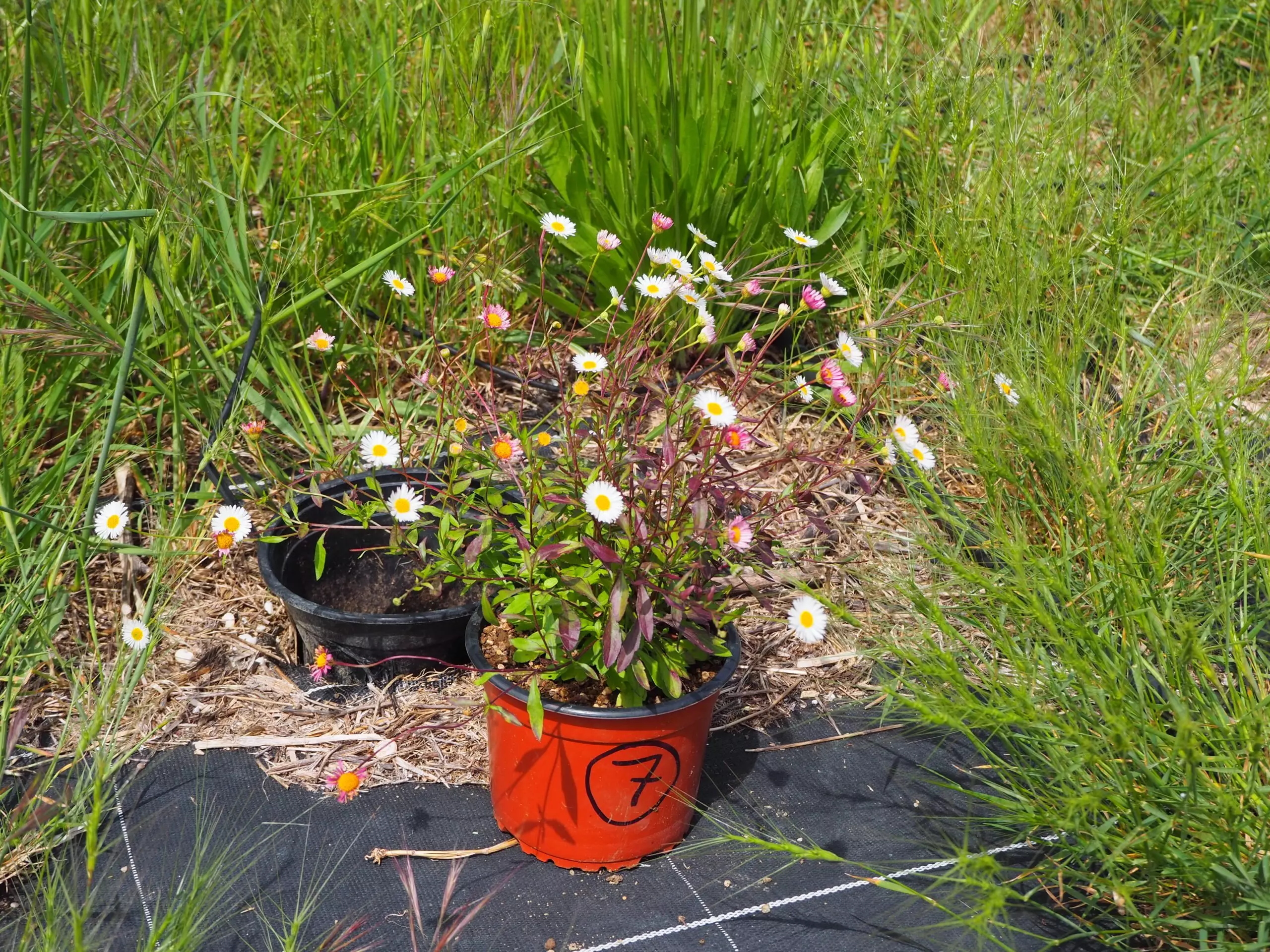
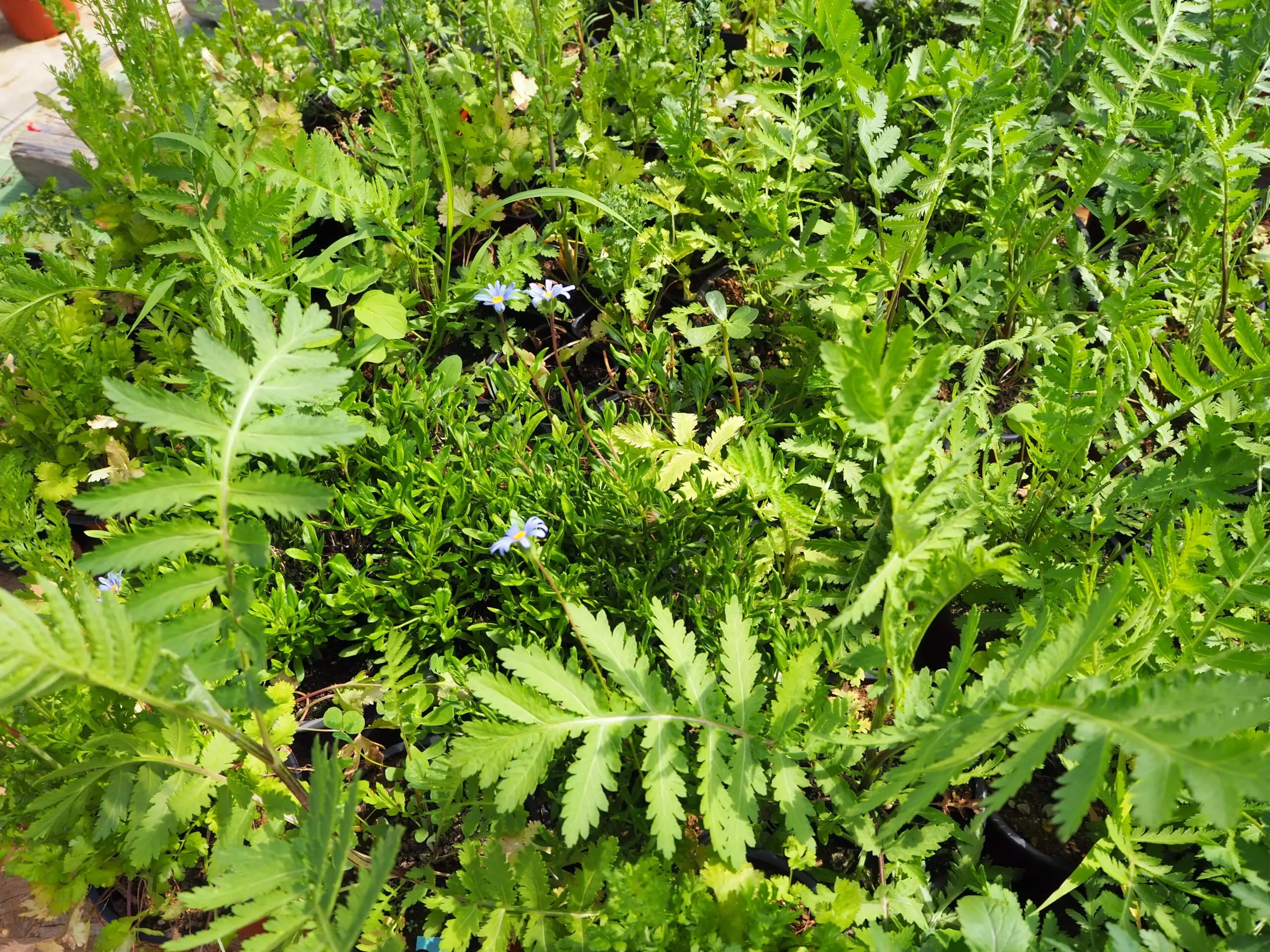
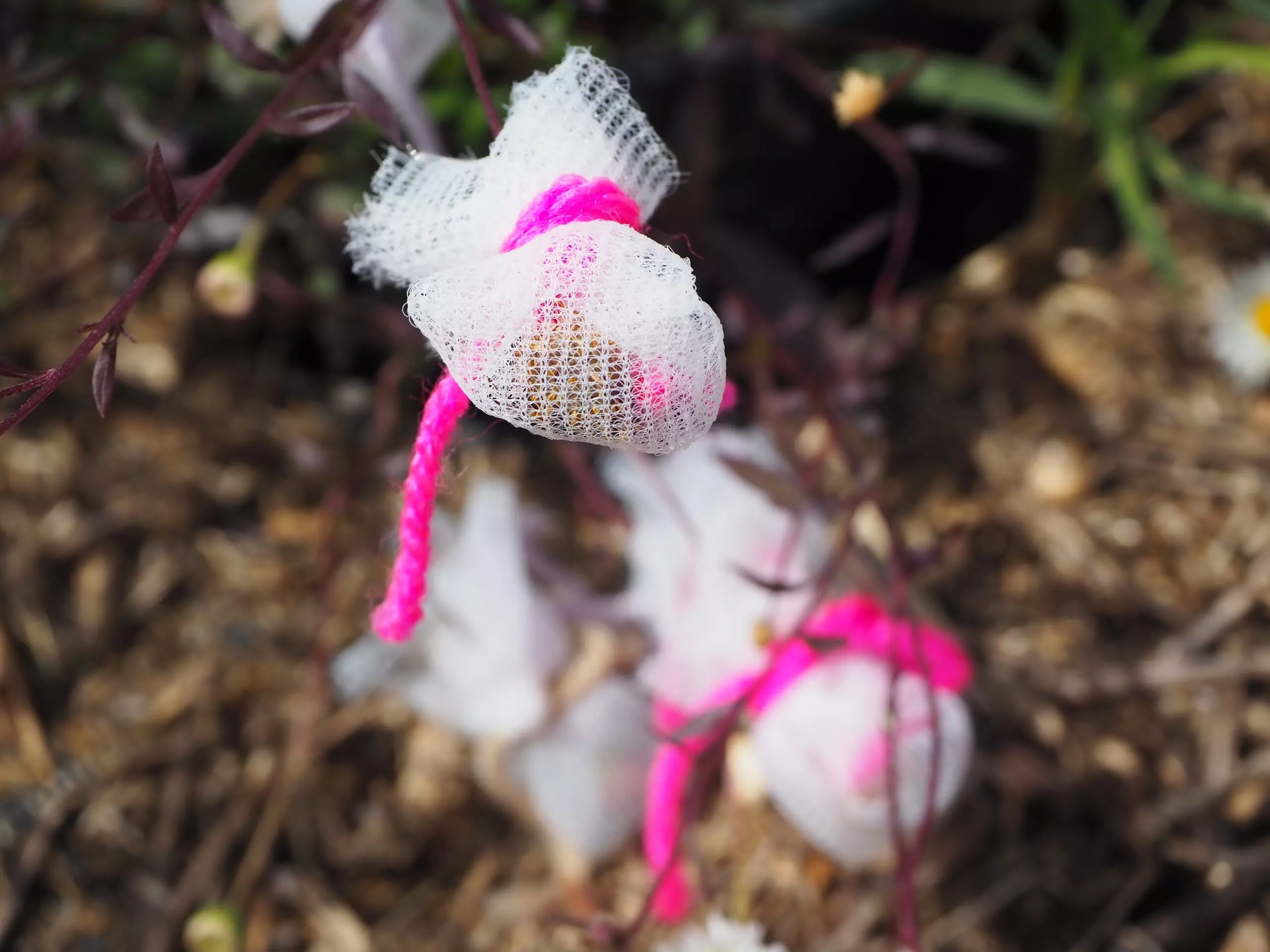
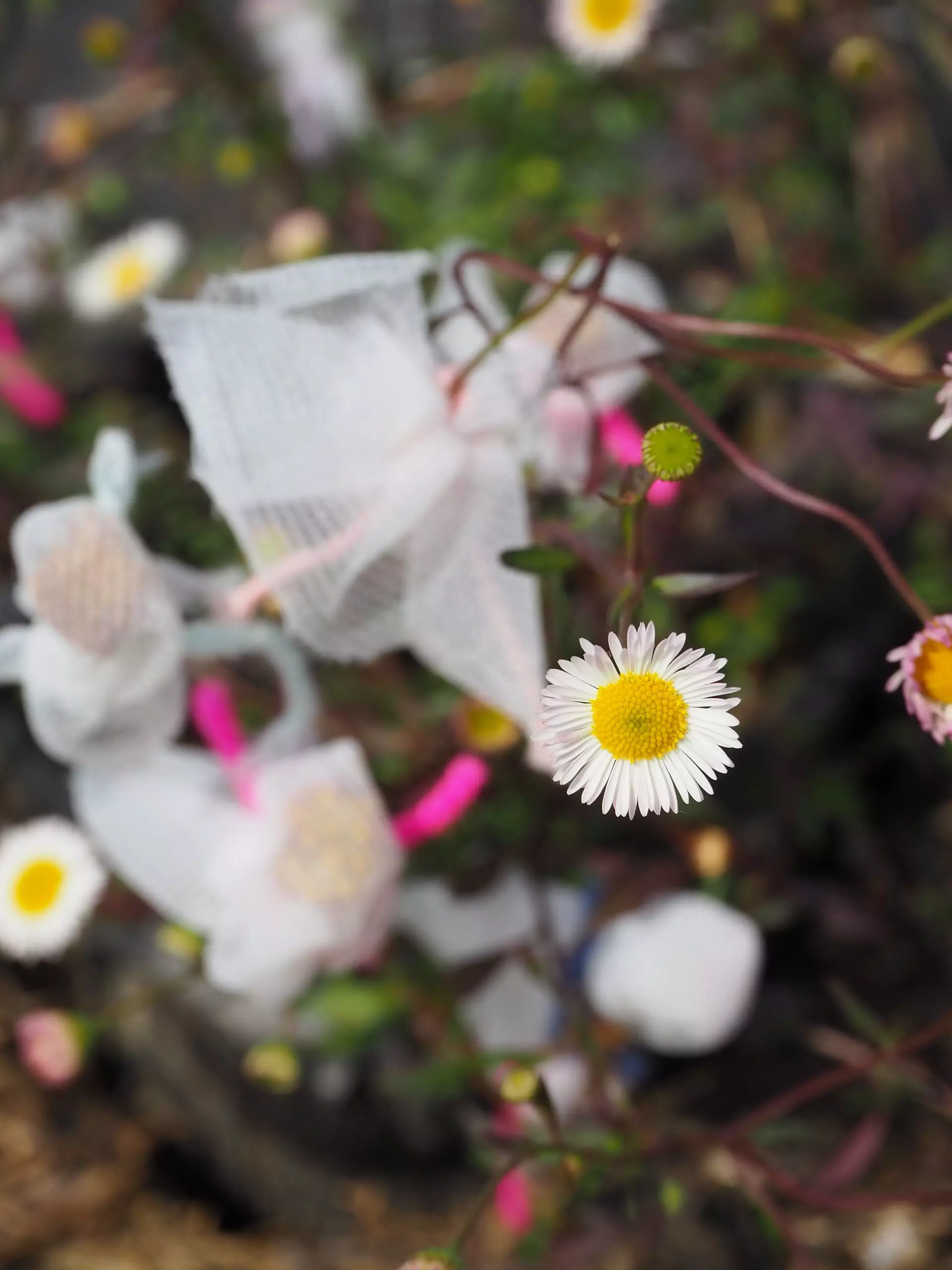
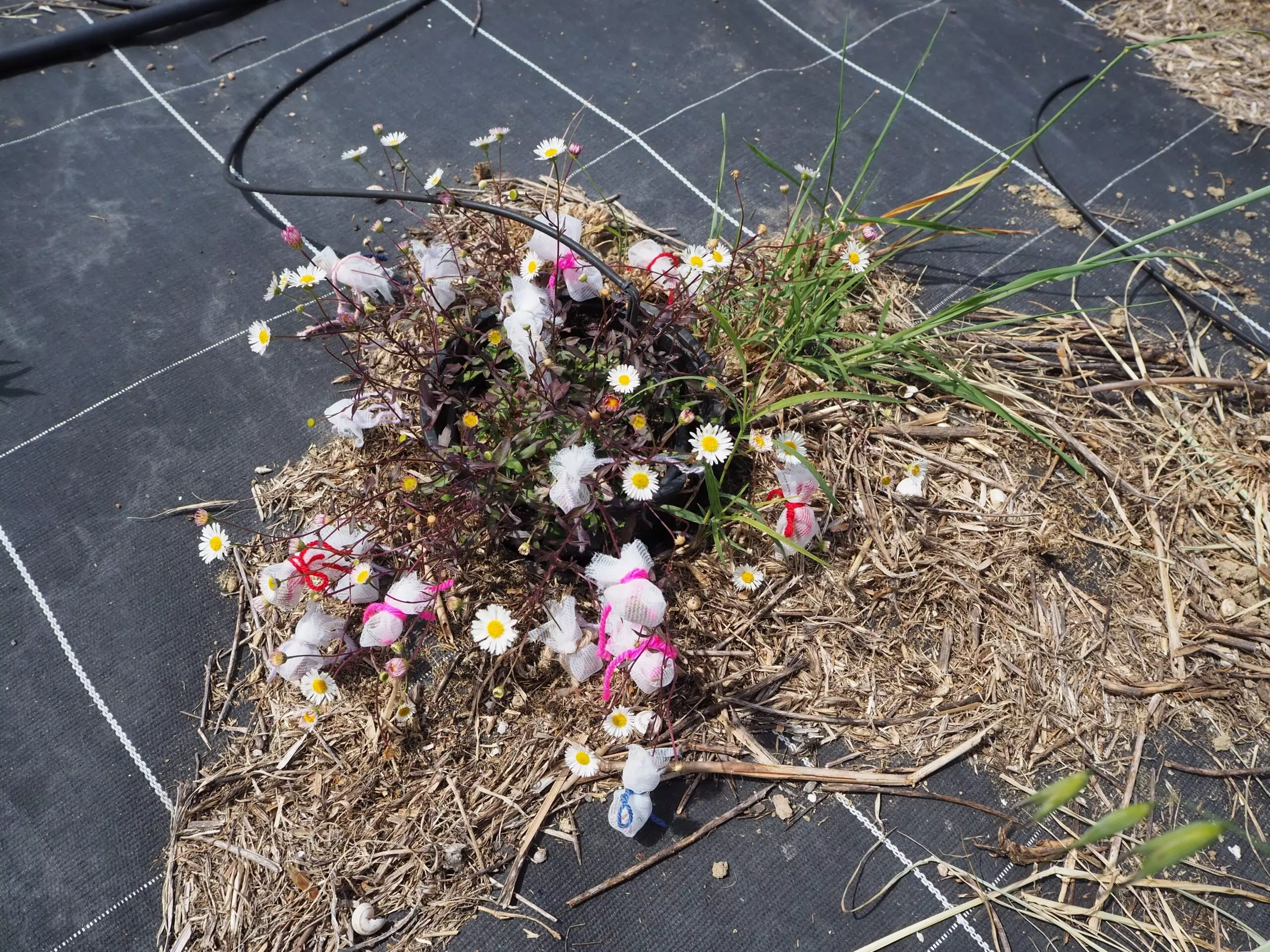
Our objective is therefore to quantify the effective pollination provided by mosquito vectors and compare it with that provided by other, better-known pollinating insects.
Contribution of Vector Mosquitoes to the Maintenance of Biodiversity: Role in Pollination
Researchers
Thierry Lefèvre; Jeanne Tonnabel; Mathilde Dufay; Bertrand Schatz; Alexandru Milcu; Emmanuel S. Gritti; Frédéric Simard; Olivier Roux; Louis-Clément Gouagna.
Informations
https://www.mivegec.ird.fr/fr/


